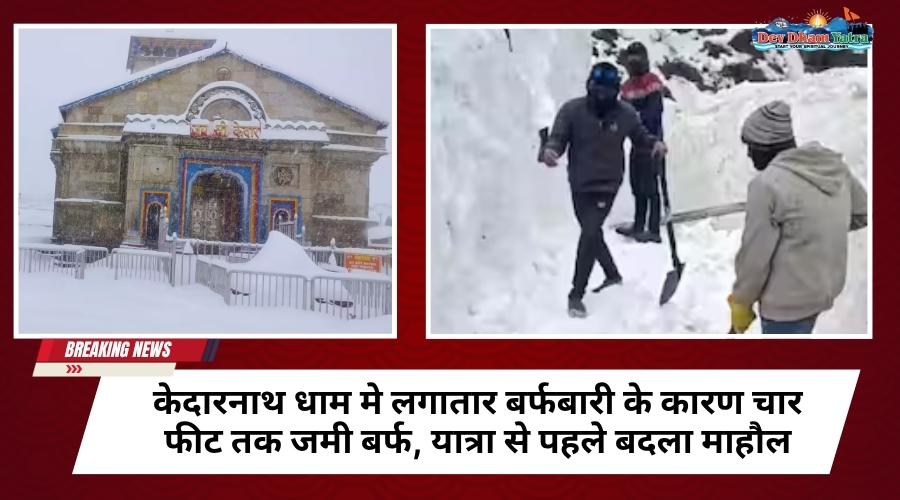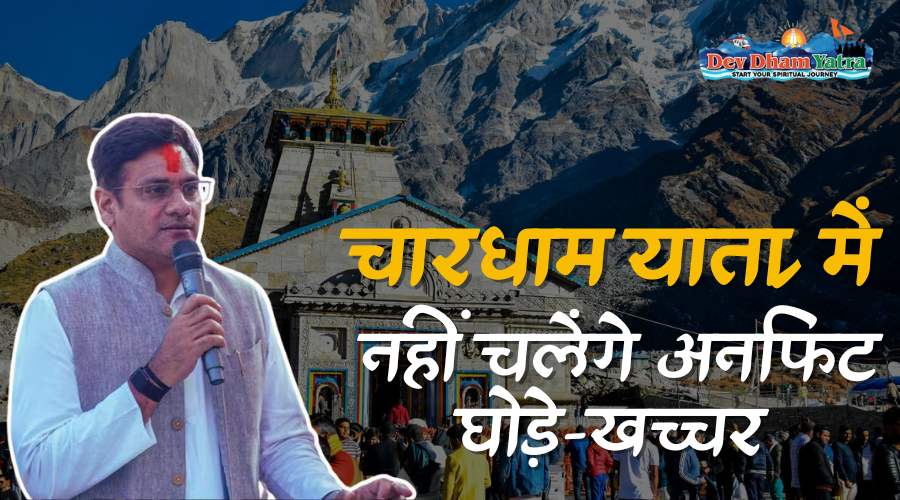

Kedarnath in winter becomes a stunning but unforgiving terrain. Bred high up in the Garhwal Himalayas, Kedarnath is among the most sacred temples dedicated to Lord Shiva. Thousands of pilgrims make the arduous trek every year to get a blessing from the Kedarnath Temple. But when snowfall becomes heavy, the temple turns off-limits, and there starts an ancient ritual — the cautious re-location and adoration of the divine Kedarnath idol.
This article delves into what goes on during temple closure, where the idol goes, and why this ritual is so spiritually important to the devotees.
Closure of Kedarnath Temple
The temple is open from April until October or early November, depending on such auspicious dates as Akshaya Tritiya and Kartik Purnima. With the arrival of winter, the temperature plunges, and the area is covered in heavy snow.
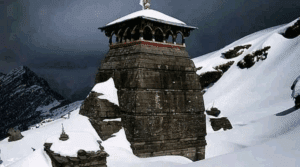
To ensure pilgrims’ and priests’ safety, the ritual of Kedarnath in winter starts with a ceremonial closing of the temple doors. It is no easy job — it is a sacred ceremony conducted with solemn chants, offerings, and prayers. Thousands of pilgrims attend to see the moment when the temple will be shut for six long months.
Where the Kedarnath Idol Goes During Winter
When the temple is closed, the divine presence of Lord Shiva finds its way elsewhere. The idol is taken to Omkareshwar Temple in Ukhimath, situated at a lower altitude where the climate is less harsh. This is not merely a practical action but a most spiritual pilgrimage.
The idol is taken out in a grand procession surrounded by hymns and prayer songs. Priests and devotees accompany it, offering prayers and flowers. This ritual every year guarantees worship even when the main temple remains under snow.
In Omkareshwar Temple too, the very same daily rituals — aarti to abhishek — are done, keeping the spiritual link alive across Kedarnath in winter.
Ukhimath – The Winter Abode of Kedarnath
Ukhimath becomes the religious hub of activity during these winter months. As per mythology, the location is so named due to its association with Usha, the daughter of demon king Banasura. It has been a religious hub for centuries and is thus an ideal winter abode for the Kedarnath idol.
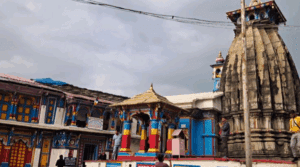
For those pilgrims who are unable to make it to Kedarnath because of severe weather, going to Ukhimath provides a fulfilling way to remain in touch with their beliefs. The Kedarnath in winter phenomenon here is distinct but no less impactful, as worship continues unabated.
Rituals of Winter Worship
The idol of Kedarnath is welcomed at Ukhimath with grand rituals. Priests offer daily aarti and special offerings like Panchmukhi Rudrabhishek, where Lord Shiva in his five-faced avatar is worshipped.
The rituals are reflective of those performed in Kedarnath, maintaining spiritual continuity. Even in the peak harshest months of Kedarnath in winter, the faith and customs remain unbroken, reflecting the strength of faith.
The Deeper Meaning Behind the Tradition
The seasonal migration of the Kedarnath idol has a deep spiritual significance. It keeps pilgrims in mind that although the material temple is valuable, real worship exists within the heart. Even when the mountains are quiet in snow, worship still exists at Ukhimath.
Kedarnath in winter represents resilience, demonstrating that regardless of how severe things get, spiritual power remains present. This pilgrimage symbolizes the uninterrupted continuity of worship that has been preserved over the centuries.
Travel Advice for Pilgrims Coming in Winter
If you want to visit Kedarnath in winter, you might not be able to get to the central temple but can still achieve a satisfying pilgrimage by going to Ukhimath.
Following are some tips to plan your visit:
1. Watch Weather Forecasts
Though Ukhimath is reachable, road conditions keep changing. Always check the latest weather updates before you begin your journey to ensure safe travel.
2. Wear Warm Attire
Winters are bitterly cold, so pack thermal clothes, gloves, woolen caps, and heavy coats to stay warm and comfortable during your trip.
3. Book in Advance
Hotel rooms in Ukhimath are limited and tend to fill up early, especially during holiday seasons and special rituals. Make your reservations well in advance.
4. Be a Part of the Rituals
Watching the Kedarnath idol worship at close quarters is a deeply spiritual experience. Participate respectfully to truly connect with the traditions of Kedarnath in winter.
5. Be Respectful of Local Customs
Always maintain decorum inside the temple and during ceremonies. Following local customs helps preserve the sanctity of the rituals and the spiritual atmosphere.
When Kedarnath Reopens
When spring comes, the snow starts melting, giving way to the re-opening of the temple. The Kedarnath idol is then transported back to the original position with the same fanfare and piety as when it departed.
Pilgrims come in droves to see this return, marking the close of winter Kedarnath and the start of a new pilgrimage season. The reopening ceremony rings the valley with prayers, bells, and revived spiritual vitality.
Why This Tradition Matters
The annual movement of the Kedarnath idol is more than a ritual — it’s a testament to unbroken belief. In spite of nature’s challenges, prayer goes on uninterrupted.
For the believer, Kedarnath in winter is a revelation that spiritual connection may not be geographically dependent. It testifies that devotion will change and survive even in adversity.
Conclusion
Kedarnath in winter may seem like a time of quiet, with the temple resting beneath layers of snow. Yet, it is actually a season of deep devotion and unwavering continuity. Even as the Kedarnath idol is relocated to Ukhimath, rituals and prayers continue, preserving the divine energy.
Whether you visit Kedarnath during the bustling summer months or journey to Ukhimath in the serene winter, you are participating in an age-old tradition. Trekking through these sacred hills is a reminder that while seasons may change, true devotion remains eternal.
FAQs
1. Can we visit Kedarnath in winter?
No, you cannot visit the main Kedarnath Temple in winter because the region receives heavy snowfall, making it unsafe and inaccessible. However, you can experience the spiritual essence of Kedarnath in winter by visiting Omkareshwar Temple in Ukhimath, where the deity is worshipped during the cold months.
2. Where is the Kedarnath idol kept during winter?
During the winter closure, the Kedarnath idol is moved from the main temple to Omkareshwar Temple in Ukhimath. This tradition ensures that daily rituals and prayers continue without interruption, even when the temple remains under snow.
3. When does the Kedarnath Temple close and reopen?
The temple usually closes in late October or early November, on the day of Kartik Purnima, and reopens in April or May, depending on the weather. This marks the beginning and end of Kedarnath in winter worship practices.
4. Why is the idol moved instead of stopping the rituals?
The movement of the Kedarnath idol symbolizes the belief that worship should never cease, no matter the circumstances. Even though the main temple is closed, the divine presence of Lord Shiva continues to be honored at a safer, more accessible location.
5. How can I plan a winter pilgrimage to Ukhimath?
If you wish to experience Kedarnath in winter, plan your trip to Ukhimath. Book accommodation in advance, carry warm clothing, and check weather conditions regularly. Visiting Omkareshwar Temple allows you to witness the winter rituals and stay connected with the spiritual traditions of Kedarnath.