

Kedarnath is one of the most revered pilgrimage destinations in India and a major highlight of Kedarnath tourism. Nestled in the Garhwal Himalayas of Uttarakhand, the sacred Kedarnath Temple attracts millions of devotees and travelers every year. While many visit for spiritual reasons, there are countless fascinating stories and facts about Kedarnath that make it a unique destination. Whether you’re planning a pilgrimage or searching for a complete Kedarnath Travel Guide, these amazing facts will give you a deeper understanding of this iconic shrine.
1. Kedarnath Temple Is One of the 12 Jyotirlingas
The Kedarnath Temple is one of the twelve sacred Jyotirlingas dedicated to Lord Shiva. It holds immense religious significance and is considered one of the holiest pilgrimage sites in Hinduism.
2. It Is Located at a Remarkable Altitude
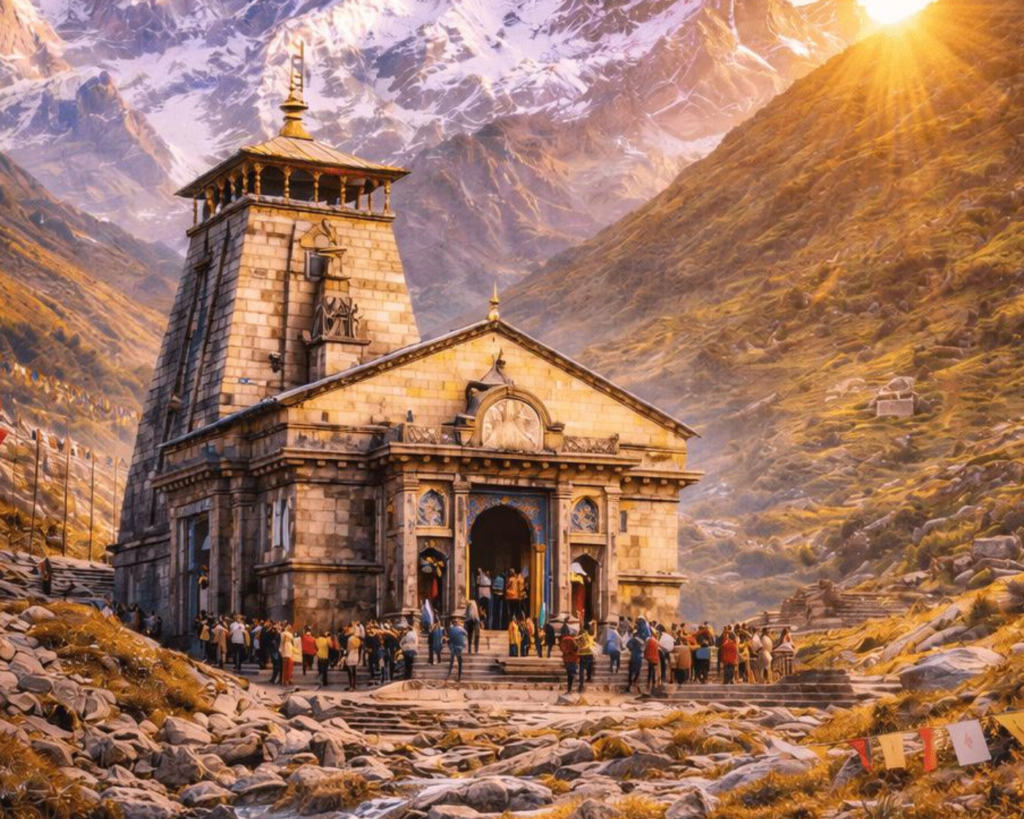
The temple stands at an elevation of approximately 3,583 meters (11,755 feet) above sea level. This high-altitude location offers breathtaking views of the snow-covered Himalayas and adds to the spiritual experience.
3. The Temple Has Ancient Origins
One of the most interesting facts about Kedarnath is that the temple is believed to be over a thousand years old. Historians and devotees alike admire its rich heritage and timeless architecture.
4. The Pandavas Are Linked to Kedarnath
According to Hindu mythology, the Pandavas visited Kedarnath to seek forgiveness from Lord Shiva after the Mahabharata war. This legend adds a deep historical and spiritual connection to the shrine.
5. Built Without Modern Technology
The massive stone blocks used to construct the Kedarnath Temple were assembled with extraordinary precision. Considering the remote Himalayan location, the engineering behind the temple remains impressive even today.

6. The Temple Survived the 2013 Floods
One of the most talked-about Kedarnath Temple facts is its survival during the devastating 2013 Uttarakhand floods. While the surrounding area suffered severe damage, the temple structure remained largely intact.
7. A Giant Boulder Protected the Temple
During the floods, a massive rock diverted the flow of water and debris away from the shrine. Many devotees consider this event miraculous and an important part about Kedarnath Temple discussions.
8. Kedarnath Is Open Only Six Months a Year
Due to heavy snowfall, the temple remains open only from April/May to October/November. During winter, the deity is moved to Ukhimath for worship.
9. The Kedarnath Trek Is an Adventure in Itself
The famous Kedarnath Trek begins from Gaurikund and covers approximately 16 kilometers. The route passes through beautiful valleys, waterfalls, and scenic mountain landscapes.

10. Surrounded by Majestic Himalayan Peaks
The temple is surrounded by towering peaks, including Kedarnath Peak and Kedar Dome. These spectacular views make the destination popular among photographers and nature lovers.
11. Rich Biodiversity Enhances the Journey
The region around Kedarnath is home to unique Himalayan flora and fauna. Travelers often spot rare birds and mountain wildlife during the Kedarnath Trek.
12. There Are Several Places to Visit in Kedarnath
Besides the temple, travelers can explore Bhairavnath Temple, Vasuki Tal, Gandhi Sarovar, and other places to visit in Kedarnath that offer both spiritual and natural attractions.
13. It Is a Major Part of Char Dham Yatra
The shrine is one of the four sacred destinations included in the Char Dham Yatra. This makes the Kedarnath Temple a key pilgrimage site visited by devotees from across the world.
14. Planning Your Visit Matters
The best time to visit Kedarnath is between May and June or September and October. During these months, the weather is pleasant, and travel conditions are generally favorable.
15. Reaching Kedarnath Is Easier Than Ever
Travelers often search for how to reach Kedarnath before planning their journey. Visitors can travel by road to Gaurikund and then complete the Kedarnath Trek. Helicopter services are also available during the yatra season.
Travel Tips for First-Time Visitors
Best Time to Visit Kedarnath
The best time to visit Kedarnath is during the summer and post-monsoon months when the weather is relatively stable.
How to Reach Kedarnath
If you’re wondering how to reach Kedarnath, the nearest major transit points are Haridwar, Rishikesh, and Dehradun. From Gaurikund, pilgrims can begin the trek or opt for helicopter services.
Places to Visit in Kedarnath
Don’t miss nearby places to visit in Kedarnath, including Vasuki Tal and Bhairavnath Temple, which add more depth to your travel experience.

Frequently Asked Questions About Kedarnath
1. What makes Kedarnath Temple unique among the Jyotirlingas?
Kedarnath Temple is one of the 12 Jyotirlingas of Lord Shiva and is located at an altitude of 3,583 meters in the Himalayas, making it one of India’s most sacred and scenic pilgrimage sites.
2. Why is the survival of Kedarnath Temple during the 2013 floods considered miraculous?
Despite the devastating floods, the temple remained largely unharmed. A massive boulder, known as the Divya Shila, diverted debris and protected the shrine.
3. Which hidden attractions should travelers explore near Kedarnath?
Travelers can visit Bhairavnath Temple, Vasuki Tal, Gandhi Sarovar, and Triyuginarayan Temple for a more enriching experience.
4. What is the best time to visit Kedarnath for a comfortable journey?
May to June and September to October are the best months to visit, thanks to pleasant weather and favorable trekking conditions.
5. Is the Kedarnath Trek suitable for first-time travelers?
Yes, the 16-km trek from Gaurikund is suitable for beginners. Pony, palki, and helicopter services are also available for added convenience.
Conclusion
These fascinating facts about Kedarnath reveal why the destination is much more than a pilgrimage site. From its ancient history and remarkable architecture to the unforgettable Kedarnath Trek, every aspect of the journey is memorable. Whether you’re interested in spirituality, adventure, or Himalayan beauty, the Kedarnath Temple offers an experience unlike any other. For travelers planning a future trip, this Kedarnath Travel Guide serves as a great starting point to explore one of India’s most sacred destinations.