

Introduction
The Temple of Prambanan is an awe-inspiring architectural gem located on Java, Indonesia. As one of the largest Hindu temple complexes in Southeast Asia, it is steeped in history, culture, and spirituality. This article offers an in-depth look at the Temple of Prambanan, covering its historical background, architectural splendor, and cultural significance, along with essential information for visitors.
The History of Prambanan Temple
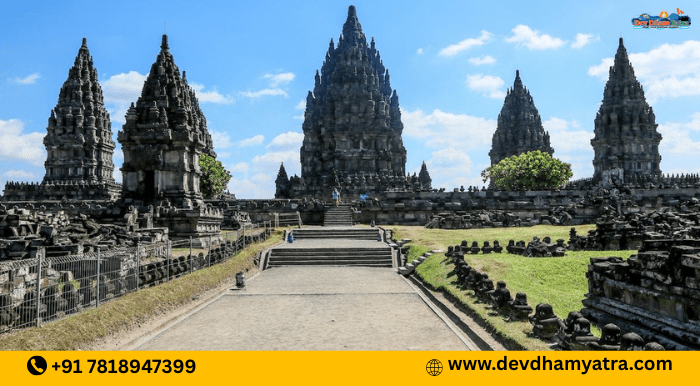
Constructed in the 9th century during the reign of the Sanjaya Dynasty, the Temple of Prambanan stands as a tribute to the Hindu Trimurti: Brahma, Vishnu, and Shiva. It is believed that the complex was completed around 856 AD, marking a period of great artistic and cultural achievement in Java.
The temple was abandoned in the 10th century, likely due to the rise of Islam in the region. For centuries, it remained hidden beneath volcanic ash and overgrown vegetation. It wasn’t until the 19th century that the site was rediscovered and underwent significant restoration efforts.
Architectural Wonders
Design and Layout
The Temple of Prambanan comprises more than 240 temples, with three main structures dedicated to the Trimurti:
- Shiva (the principal temple)
- Vishnu (to the west)
- Brahma (to the east)
The central Shiva temple reaches an impressive height of 47 meters (154 feet) and is richly adorned with detailed reliefs illustrating tales from Hindu epics such as the Ramayana and Mahabharata. The tall, pointed spires symbolize Mount Meru, a sacred element in Hindu cosmology.
Decorative Reliefs
One of the most captivating aspects of the Temple of Prambanan is its elaborate reliefs. These narrative carvings depict stories from Hindu mythology, offering insight into the ancient Javanese culture and beliefs. The artistry reflects the remarkable skill of the craftsmen from that time.
Architectural Style
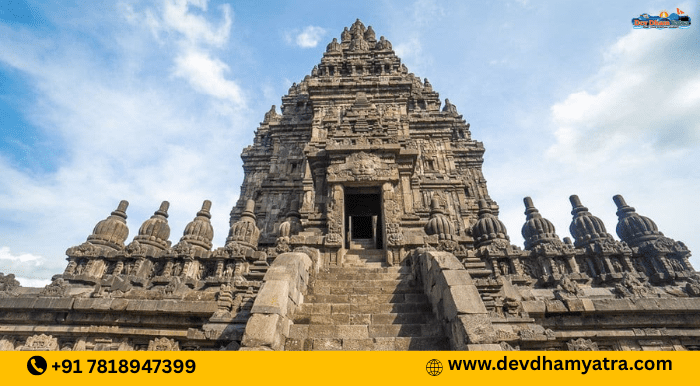
The architectural design of Prambanan exemplifies the Hindu Javanese style, characterized by towering structures and intricate carvings. This temple complex has earned recognition as a UNESCO World Heritage Site due to its outstanding universal significance.
-Cultural Importance
Spiritual Role
The Temple of Prambanan is not merely a historical site; it serves as a vibrant spiritual center. Many Hindus visit to honor the deities and engage in religious rituals. The temple plays a vital role during festivals and ceremonies, particularly in the Hindu month of Nyepi.
-Festivals and Celebrations
Throughout the year, the temple hosts various cultural and spiritual events. One highlight is the annual Ramayana ballet performance, held on the temple grounds. This captivating event attracts both locals and tourists, showcasing Indonesia’s rich cultural heritage.
Are you interested to go chardhamyatra

-Visiting Prambanan Temple
How to Get There
The Temple of Prambanan is conveniently located near Yogyakarta, a city well-connected to different parts of Indonesia. Visitors can reach the temple by taxi, rental car, or public transport, with a travel time of about 30 minutes from Yogyakarta.
Opening Hours and Entrance Fees
Open daily from 6:00 AM to 6:00 PM, the temple complex invites visitors to come early to avoid crowds and enjoy the serene atmosphere. Admission fees are applicable, with discounts available for students and children.
What to Anticipate
Upon arrival, guests are welcomed by beautiful gardens and breathtaking views of the towering temples. Guided tours are available, providing valuable insights into the site’s history and architecture. Comfortable footwear is recommended, as visitors will explore the expansive grounds.
-Visitor Tips
- Dress Appropriately: As a sacred site, modest attire is expected. Sarongs are often provided at the entrance for convenience.
- Stay Hydrated: Given the warm tropical climate, carrying water is advisable.
- Explore the Area: Take the time to discover surrounding smaller temples and local markets.
- Photography: While capturing the stunning scenery is encouraged, respect local customs, especially during religious ceremonies.
-Frequently Asked Questions (FAQs)
1. Is the Temple of Prambanan kid-friendly?
Absolutely! The Temple of Prambanan is suitable for families, offering open spaces and educational opportunities for children.
2. Are guided tours available?
Yes, guided tours are offered, providing insightful information about the temple’s rich history and architectural features.
3. Can I visit the Temple of Prambanan at night?
While the temple complex closes at 6:00 PM, special events like the Ramayana ballet may occur in the evening. It’s best to check the schedule beforehand.
4. What should I wear during my visit?
Visitors are encouraged to wear modest clothing. Sarongs are available for those who need them.
5. Are facilities available at the temple?
Yes, the complex includes restrooms and food stalls that serve local dishes.
Conclusion
The Temple of Prambanan is not just a historical site; it represents Indonesia’s rich cultural tapestry and spiritual diversity. With its breathtaking architecture, detailed carvings, and vibrant festivals, Prambanan continues to enchant visitors worldwide. Whether you are a history buff, a spiritual seeker, or simply someone who appreciates art and architecture, a visit to the Temple of Prambanan promises an unforgettable experience that highlights Indonesia’s profound heritage.
Constructed in the 9th century during the reign of the Sanjaya Dynasty, the Temple of Prambanan stands as a tribute to the Hindu Trimurti: Brahma, Vishnu, and Shiva. It is believed that the complex was completed around 856 AD, marking a period of great artistic and cultural achievement in Java.
The temple was abandoned in the 10th century, likely due to the rise of Islam in the region. For centuries, it remained hidden beneath volcanic ash and overgrown vegetation. It wasn’t until the 19th century that the site was rediscovered and underwent significant restoration efforts.
Architectural Wonders
Design and Layout
The Temple of Prambanan comprises more than 240 temples, with three main structures dedicated to the Trimurti:
- Shiva (the principal temple)
- Vishnu (to the west)
- Brahma (to the east)
The central Shiva temple reaches an impressive height of 47 meters (154 feet) and is richly adorned with detailed reliefs illustrating tales from Hindu epics such as the Ramayana and Mahabharata. The tall, pointed spires symbolize Mount Meru, a sacred element in Hindu cosmology.
Decorative Reliefs
One of the most captivating aspects of the Temple of Prambanan is its elaborate reliefs. These narrative carvings depict stories from Hindu mythology, offering insight into the ancient Javanese culture and beliefs. The artistry reflects the remarkable skill of the craftsmen from that time.
Architectural Style
The architectural design of Prambanan exemplifies the Hindu Javanese style, characterized by towering structures and intricate carvings. This temple complex has earned recognition as a UNESCO World Heritage Site due to its outstanding universal significance.
Cultural Importance
Spiritual Role
The Temple of Prambanan is not merely a historical site; it serves as a vibrant spiritual center. Many Hindus visit to honor the deities and engage in religious rituals. The temple plays a vital role during festivals and ceremonies, particularly in the Hindu month of Nyepi.
Festivals and Celebrations
Throughout the year, the temple hosts various cultural and spiritual events. One highlight is the annual Ramayana ballet performance, held on the temple grounds. This captivating event attracts both locals and tourists, showcasing Indonesia’s rich cultural heritage.
Visiting Prambanan Temple
How to Get There
The Temple of Prambanan is conveniently located near Yogyakarta, a city well-connected to different parts of Indonesia. Visitors can reach the temple by taxi, rental car, or public transport, with a travel time of about 30 minutes from Yogyakarta.
Opening Hours and Entrance Fees
Open daily from 6:00 AM to 6:00 PM, the temple complex invites visitors to come early to avoid crowds and enjoy the serene atmosphere. Admission fees are applicable, with discounts available for students and children.
What to Anticipate
Upon arrival, guests are welcomed by beautiful gardens and breathtaking views of the towering temples. Guided tours are available, providing valuable insights into the site’s history and architecture. Comfortable footwear is recommended, as visitors will explore the expansive grounds.
Visitor Tips
- Dress Appropriately: As a sacred site, modest attire is expected. Sarongs are often provided at the entrance for convenience.
- Stay Hydrated: Given the warm tropical climate, carrying water is advisable.
- Explore the Area: Take the time to discover surrounding smaller temples and local markets.
- Photography: While capturing the stunning scenery is encouraged, respect local customs, especially during religious ceremonies.
Frequently Asked Questions (FAQs)
1. Is the Temple of Prambanan kid-friendly?
Absolutely! The Temple of Prambanan is suitable for families, offering open spaces and educational opportunities for children.
2. Are guided tours available?
Yes, guided tours are offered, providing insightful information about the temple’s rich history and architectural features.
3. Can I visit the Temple of Prambanan at night?
While the temple complex closes at 6:00 PM, special events like the Ramayana ballet may occur in the evening. It’s best to check the schedule beforehand.
4. What should I wear during my visit?
Visitors are encouraged to wear modest clothing. Sarongs are available for those who need them.
5. Are facilities available at the temple?
Yes, the complex includes restrooms and food stalls that serve local dishes.
Conclusion
The Temple of Prambanan is not just a historical site; it represents Indonesia’s rich cultural tapestry and spiritual diversity. With its breathtaking architecture, detailed carvings, and vibrant festivals, Prambanan continues to enchant visitors worldwide. Whether you are a history buff, a spiritual seeker, or simply someone who appreciates art and architecture, a visit to the Temple of Prambanan promises an unforgettable experience that highlights Indonesia’s profound heritage.