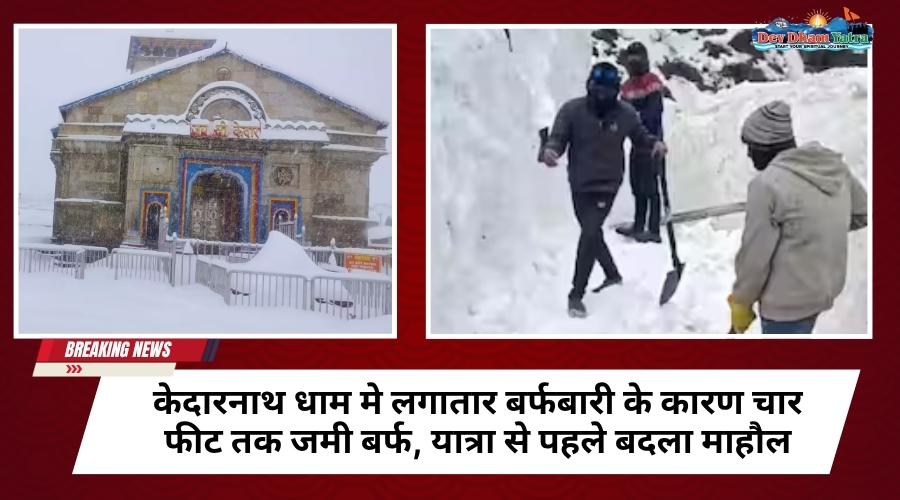

Uttarakhand, famously known as ‘Dev Bhoomi’ or the Land of Gods, is home to countless temples and pilgrimage sites. While places like Kedarnath, Badrinath, and the Char Dham Yatra are well-known, the state also houses numerous hidden temples and sacred trails dedicated to Lord Shiva. These ancient sites are steeped in spirituality, mythology, and natural beauty, offering devotees and travelers a serene and immersive experience. In this article, we will explore some of the most fascinating Shiva temples in Uttarakhand and guide you through lesser-known trails that lead to these sacred spots.
Introduction to Shiva Temples in Uttarakhand
Uttarakhand has been a spiritual hub for centuries. Nestled in the Himalayas, the state is dotted with ancient Shiva temples in Uttarakhand that attract devotees seeking blessings, inner peace, and a connection with nature. While many people visit famous pilgrimage sites, the hidden temples scattered across forests, hills, and riverbanks provide a more intimate spiritual experience. These temples are often intertwined with legends, folklore, and local traditions, making each visit a journey of discovery.
The Spiritual Significance of Shiva Temples in Uttarakhand
Lord Shiva, known as the destroyer of evil and the god of meditation, holds a special place in Hinduism. Many Shiva temples in Uttarakhand are located in remote, pristine landscapes that symbolize spiritual purity. Visiting these temples is not only a religious experience but also an opportunity to reconnect with nature and oneself. The quiet ambience, breathtaking Himalayan views, and flowing rivers make these temples ideal spots for meditation, yoga, and spiritual reflection.
Hidden Temples Worth Visiting
1. Shyamla Tal Shiva Temple, Champawat
Nestled near the tranquil Shyamla Tal Lake, this ancient temple is surrounded by dense forests. The serene environment makes it ideal for meditation and prayer. It is one of the lesser-explored hidden temples in Uttarakhand, perfect for devotees seeking solitude away from bustling tourist spots.
2. Koteshwar Mahadev Temple, Rudraprayag
Located at the confluence of the Alaknanda and Mandakini rivers, Koteshwar Mahadev is a cave temple that holds immense historical and spiritual importance. Legends suggest that Lord Shiva meditated here, and pilgrims often perform rituals on the riverbanks. This is one of the iconic Shiva temples in Uttarakhand that combines mythology and natural beauty.
3. Lakhmandal Shiva Temple, Dehradun
The Lakhmandal temple is tied to the Mahabharata era, believed to be a site where the Pandavas spent part of their exile. The temple complex has numerous Shivalingas, and its surrounding forested hills create a mystical atmosphere. This is a perfect destination for spiritual seekers and history enthusiasts alike.
4. Chandika Devi Temple, Almora
Perched atop a hill, Chandika Devi Temple is dedicated to Goddess Chandika but also features a Shivalinga that attracts devotees. The panoramic views of Almora valley and surrounding mountains enhance the spiritual aura of the site. This temple is part of a series of hidden temples along the Almora hills that pilgrims often explore.
5. Triyuginarayan Temple, Kedarnath Region
While Triyuginarayan is more famous for its association with Lord Shiva and Parvati’s marriage, it still qualifies as a hidden temple for many travelers. The temple is surrounded by dense forests and trekking trails, providing both spiritual and adventurous experiences.
Sacred Trails Connecting Shiva Temples
Exploring these hidden temples often involves trekking through scenic trails that are less crowded, allowing pilgrims and travelers to experience Uttarakhand’s pristine landscapes. Trails are dotted with alpine forests, glacial rivers, and meadows filled with wildflowers. Many of these paths were historically used by sages and devotees to reach remote meditation spots. Walking these trails allows visitors to immerse themselves fully in the spiritual and natural environment, enhancing the overall pilgrimage experience.
Spiritual Practices at Hidden Shiva Temples
Many Shiva temples in Uttarakhand offer more than worship; they provide spaces for spiritual practices such as meditation, yoga, and mantra chanting. Devotees often perform early morning rituals, meditate near rivers, or sit quietly in temple courtyards. The remote location of these hidden temples ensures minimal disturbance, creating a conducive atmosphere for self-reflection and spiritual growth.
Preserving Hidden Temples and Sacred Trails
Several hidden temples are located in ecologically sensitive zones. Conservation efforts are underway by local authorities and spiritual organizations to maintain these sacred sites and protect the surrounding environment. Pilgrims are encouraged to respect local customs, avoid littering, and participate in eco-friendly initiatives to preserve the sanctity and natural beauty of these trails.
Best Time to Visit Shiva Temples in Uttarakhand
The ideal periods to explore Shiva temples in Uttarakhand are:
- Spring (March – May): Pleasant weather and blooming landscapes.
- Autumn (September – November): Clear skies, cool climate, and fewer crowds.
Winter visits are possible for lower-altitude temples, but some high-altitude temples may be inaccessible due to snowfall. Always check local weather conditions before planning a trip to hidden temples.
Tips for Visiting Hidden Shiva Temples
- Plan Ahead: Many hidden temples lack facilities. Plan your journey and carry essentials like water, snacks, and first aid kits.
- Hire Local Guides: Local guides provide knowledge about history, legends, and the safest routes.
- Respect Traditions: Follow temple rituals, dress codes, and maintain decorum.
- Travel Light: Trekking trails may be steep; a backpack with essentials is recommended.
- Capture Memories Respectfully: While photography is allowed in many temples, always check restrictions and be mindful of worshippers.
Conclusion
The state of Uttarakhand is a treasure trove of spiritual and natural beauty. From iconic sites like Kedarnath to hidden temples tucked away in forests and hills, the region offers a holistic spiritual experience. Exploring Shiva temples in Uttarakhand not only provides blessings from Lord Shiva but also an opportunity to connect with history, mythology, and nature. Whether you are a devotee, a trekker, or a spiritual seeker, these sacred trails promise serenity, inspiration, and rejuvenation.
FAQs
Q1: How can I reach the hidden Shiva temples in Uttarakhand?
A1: Many of these hidden temples are accessible via trekking trails. Hiring local guides and checking accessibility is recommended.
Q2: Are these temples open throughout the year?
A2: While some Shiva temples in Uttarakhand are open year-round, high-altitude temples may be closed during winter due to snowfall.
Q3: What is the significance of visiting hidden temples?
A3: Visiting hidden temples provides a more intimate spiritual experience, away from crowded pilgrimage sites.
Q4: Are there accommodation facilities near these temples?
A4: Accommodation varies. Some temples have guesthouses, while others require camping. Planning ahead is advised.
Q5: Can I perform rituals or prayers at hidden temples?
A5: Yes, most Shiva temples in Uttarakhand allow devotees to perform rituals, offer prayers, and participate in local ceremonies.